


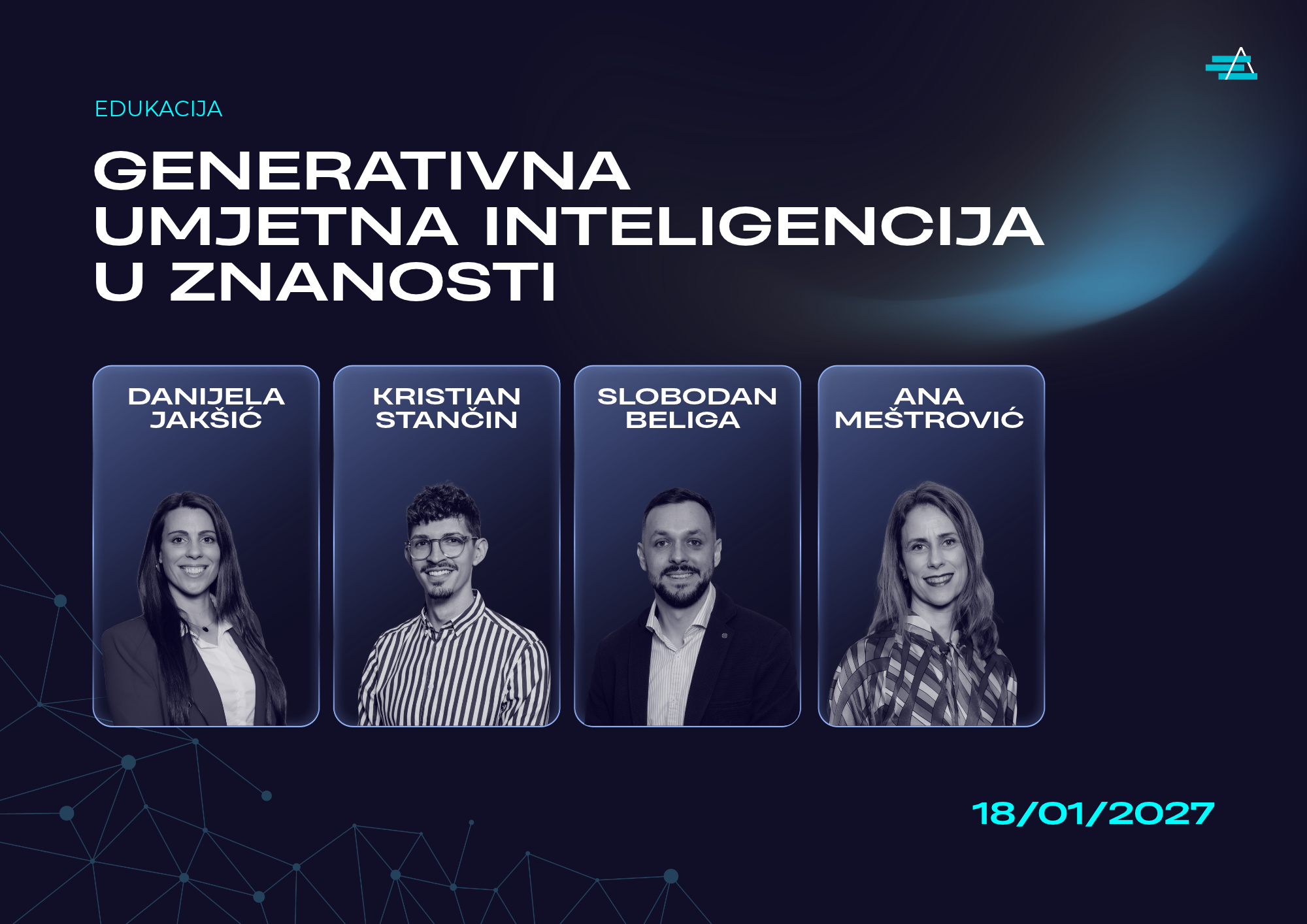
Through three interactive and practical modules You will learn about modern AI tools for scientific research, their capabilities and limitations, and how to apply them responsibly. Through concrete examples and practical exercises, you will discover how generative AI can help you research, while preserving scientific integrity and critical thinking.
What will you learn?
Module 1: Responsible, ethical and critical use of generative AI in science
How does generative AI work and how much can you trust its answers?
In the first module, you will learn about the opportunities, limitations and risks of AI use in research, with a particular focus on AI hallucinations, fictional references, misinterpretations of literature and research integrity.
Through practical examples, you will analyze real AI responses and assess their scientific quality. You will also compare the rules of different AI tools on the use of user data and find out how to use them more safely when working with unpublished research, project applications and sensitive data.
Module 2: Interview AI Assistants for Scientific Writing and Critical Analysis
How can AI help you write and edit scientific papers while maintaining control over content and quality?
In this module, you will learn to shape quality spots for literature review, development of argumentation, critical analysis of methodology, identification of research gaps and improvement of clarity of academic text.
You will work on your own scientific papers or research ideas with tools such as ChatGPT, Claude and Gemini. Through gradual improvement of the prompts and simulation of the review process, you will try out how to use AI as a research assistant that supports your critical thinking, rather than replacing independent scientific work.
Module 3: AI tools for literature search and research
Which AI tool to choose to search for literature, find relevant research and analyze scientific sources?
You will get to know specialized tools such as Undermind, SciSpace, Consensus, Elicit and ResearchRabbit and their capabilities, strengths and limitations.
You'll explore how semantic search, citation networks and automatic literature compression work. Through practical work, you will practice choosing the right tool for a specific research problem and critical assessment of the results obtained.
Maintenance terms
- Module 1: 18 January 2027, 10.00-13.00
- Module 2: 22 January 2027, 10.00-13.00
- Module 3: 25 January 2027, 10.00-13.00
You will follow the training Online via MS Teams, each module shall be held on a separate day.